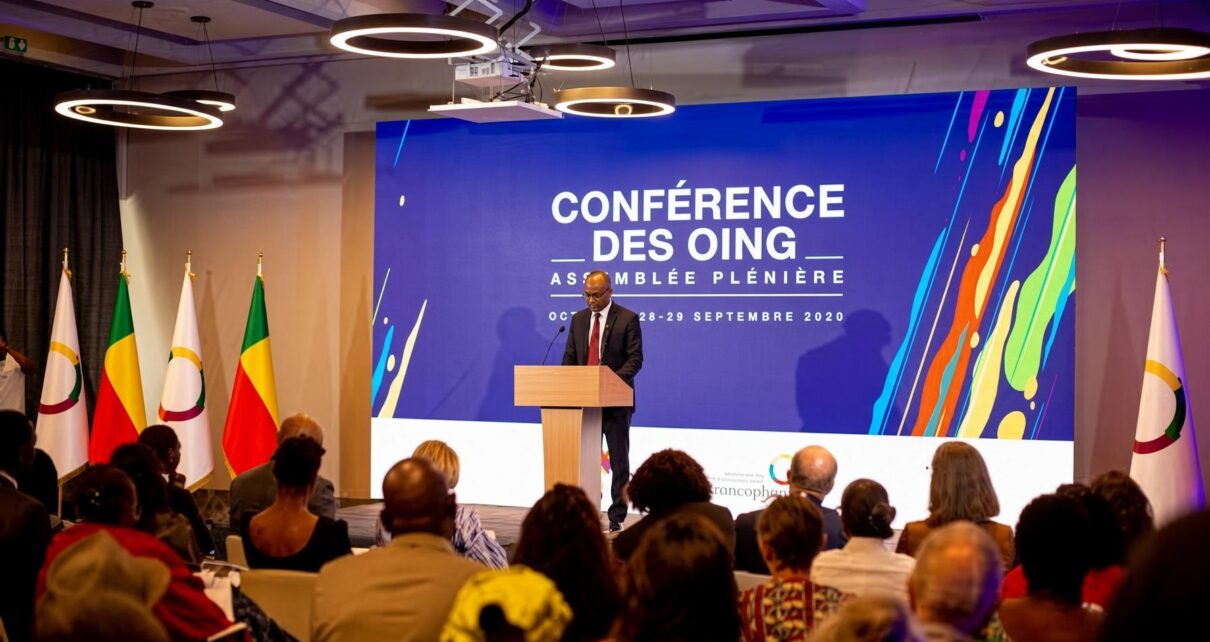
Behind closed doors in Cotonou, a coalition of francophone NGOs is working to ensure the 2026-2028 peace agenda translates from rhetoric into tangible action before the Phnom Penh Summit in November. This year’s COING plenary assembly, a twice-yearly gathering of the Conference of International Non-Governmental Organizations of the Francophonie, has shifted focus from declarations to delivery—examining the structural gaps that let instability fester despite decades of post-conflict recovery efforts.
From Symbolic Gatherings to Strategic Mandates
Unlike past assemblies that celebrated diplomatic unity, this session in Cotonou has become a laboratory for bottom-up governance. Delegates argue that peace in francophone Africa cannot survive on summit pledges alone. It requires ground-level coordination, something absent in previous OIF cycles where national governments dominated the agenda. The shift toward ‘citizen-driven stability’ reflects a growing recognition: lasting peace must emerge from communities, not conference halls.
Breaking the Cycle of Hollow Commitments
Peace in the Global South is often measured in handshakes rather than harvests. The Cotonou assembly confronts this disconnect head-on. Participants insist that justice, basic services, and mediation are not secondary to security—they are the foundation. A recurring theme echoed across workshops was the need to bridge two realities: the polished narratives presented at summits and the daily struggles of citizens in fragile states.
One delegate from a Sahel-based NGO summarized the mood: “We can’t keep pretending dialogue alone stabilizes regions when millions lack food, schools, or functioning courts.”
Redesigning the COING: From Club to Change Agent
The Cotonou gathering isn’t just about messaging—it’s about institutional redesign. The 2026-2028 roadmap prioritizes three operational pivots:
- Network consolidation: Creating a unified francophone NGO hub to pool resources, expertise, and influence—moving from fragmented advocacy to collective impact.
- Resource leverage: Forging partnerships with development banks and private investors to fund localized peacebuilding projects, not just grant-dependent initiatives.
- Accountability mechanisms: Introducing real-time monitoring tools to track whether pledges made in Phnom Penh translate into policy changes—and consequences when they don’t.
The Benin Factor: Stepping Out of the Diplomatic Shadow
Hosting the assembly has forced Cotonou to confront its own dual role: as a mediator in francophone affairs and as a beneficiary of stability. Benin’s government, traditionally seen as a neutral player, now faces pressure to align its domestic policies with the OIF’s civic-centric vision. Observers note that the country’s relatively stable democracy makes it an ideal testing ground for pilot initiatives—ranging from community justice programs to economic resilience projects.
What’s at Stake Before Phnom Penh
The assembly concludes with a stark warning: the summit is just one milestone; the real test comes in the implementation phase. With less than two months until the Cambodia meeting, francophone civil society is racing to refine its proposals into a binding framework. The question lingering in corridors isn’t whether delegates will applaud—but whether member states will act on their promises.