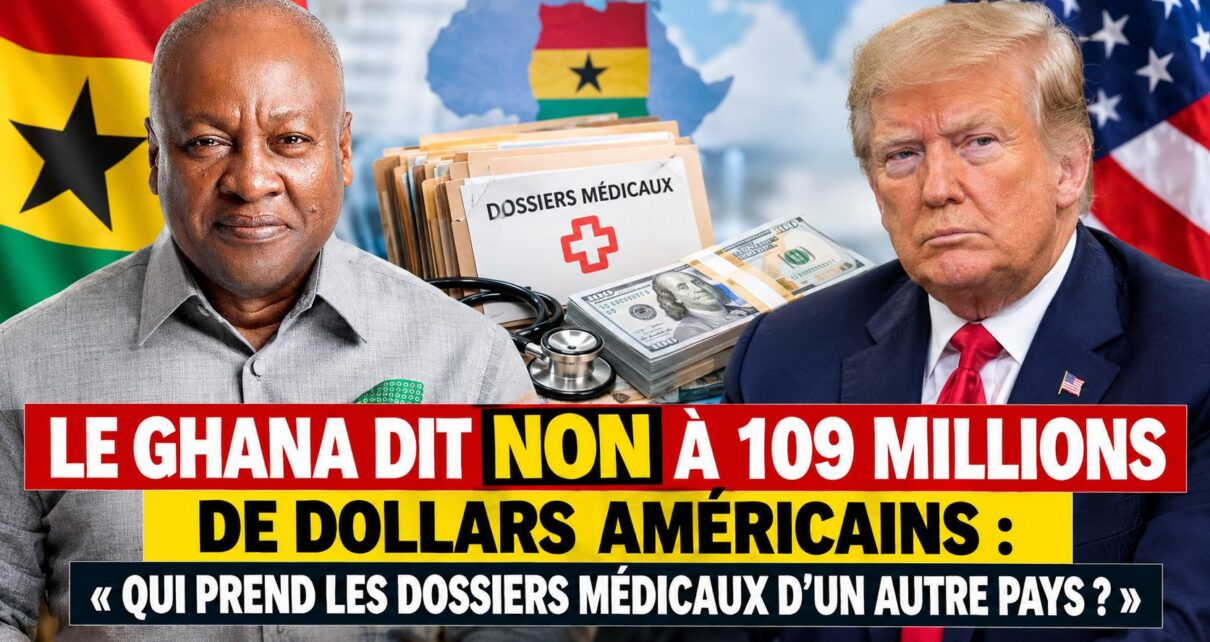
ACCRA — A single question from President John Dramani Mahama has sent ripples across Africa’s health policy circles: Who really controls a nation’s medical records?
Last month, Ghana made a landmark decision, rejecting a proposed $109 million US health funding package over concerns that it would grant Washington excessive access to patient data, pathogen profiles, and medicines entering the country. While the financial loss is significant, Accra’s refusal signals a broader shift—one where African nations are prioritizing data sovereignty over foreign health aid.
The real cost of health partnerships: beyond dollars and cents
The rejected deal was part of a larger $300 million package designed to support Ghana’s health sector over five years. But the crux of the dispute wasn’t the money—it was the conditions attached.
According to President Mahama, the agreement would have allowed US entities to:
- Access highly sensitive health data that could identify individuals
- Receive pathogen profiles without reciprocal access to resulting treatments or vaccines
- Bypass Ghana’s drug regulatory controls on certain imported medicines
These conditions were deemed not just restrictive, but a form of technological and economic dependency—a red line the Ghanaian government refused to cross.
Why pathogen and health data matter more than funding
The value of health data extends far beyond balance sheets. Government records show that real-time pathogen surveillance, disease tracking, and outbreak mapping are critical to public health strategy. Sharing this information externally without adequate safeguards could expose national vulnerabilities:
- Scientific advantage: Access to pathogen data enables vaccine and treatment development—benefits that may never flow back to the source country.
- Public health risk: Uncontrolled sharing could allow foreign entities to anticipate and capitalize on health crises before Ghana can respond.
- Ethical concern: Patient confidentiality could be compromised if data is not anonymized or properly protected.
The fear isn’t just about losing data—it’s about losing control over how that data shapes health outcomes for Ghanaians.
From dependency to sovereignty: the new face of health finance
Ghana’s rejection comes amid wider regional efforts to reduce reliance on external aid. After USAID funding cuts in 2025 left a $78.2 million gap in health programs, Accra launched A Sovereign Future for Health, a policy framework advocating for self-sufficiency in health financing and data governance.
This move reflects a growing consensus across Africa: health funding should not come with strings attached—especially when those strings involve surrendering sensitive national information. Ghana is now seeking alternative partnerships with countries that respect its regulatory autonomy and data protection laws.
The unanswered question: what’s next for US-Ghana health cooperation?
Washington has not released the full text of the proposed agreement, leaving key questions unanswered:
- Which US entities would have accessed Ghana’s health data, and under what conditions?
- How long would data have been retained, and where would it have been stored?
- What legal protections would have been in place for Ghanaian patients?
The US State Department has stated it continues to seek ways to strengthen collaboration, but without transparency, trust remains elusive. For Ghana, the choice is clear: it won’t trade data sovereignty for funds—no matter the amount.
What this means for Africa’s health future
Ghana’s decision is more than a policy footnote—it’s a turning point. It signals that African nations are no longer willing to accept health aid that comes at the cost of national autonomy. As digital health systems expand, so does the stakes of data governance.
This stance could inspire other countries to reassess their health agreements, demanding clearer data protection clauses and balanced partnerships. The question now facing Africa—and its international partners—is simple, yet profound: Can health aid truly be beneficial if it compromises the very systems meant to protect public health?