Following the 2003 Casablanca attacks, Moroccan authorities adopted a dual strategy to address extremism—not just through tightened security measures but by reshaping the nation’s religious landscape. Over two decades, the Kingdom has developed a distinctive religious framework designed to curb radicalization and strengthen social cohesion.
The approach, highlighted in a recent analysis by the Applied Geopolitics Institute, combines prevention, deradicalization efforts, and the reinforcement of religious institutions to maintain stability in an era of heightened security threats.
The Commander of the Faithful: a unique religious authority
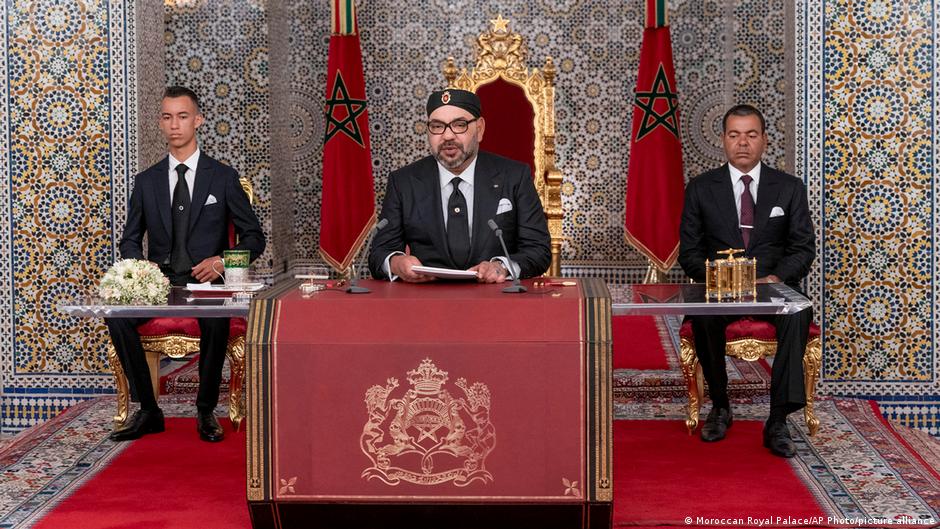
The cornerstone of Morocco’s strategy is the Commander of the Faithful (Amir al-Mu’minin), a constitutional institution under the leadership of King Mohammed VI. This role grants the monarch religious legitimacy, allowing him to oversee doctrinal matters and promote a moderate interpretation of Islam.
Alexandre Negrus, head of the Applied Geopolitics Institute and co-author of the report, emphasizes that this structure sets Morocco apart from other nations attempting to regulate religious discourse. “Unlike other countries where religious control is imposed from the outside, Morocco regulates from within the religious sphere itself. The King is not seen as a political overseer but as a recognized religious authority,” he explains.
The Moroccan model is built on three key doctrinal pillars: Malikism, the dominant legal tradition in North and West Africa; Asharism, which harmonizes faith with reason; and Sufism, addressing spiritual and communal needs often exploited by extremist groups.
A model influencing Sahel nations
Observers widely regard Morocco’s approach as an innovative solution to extremism, blending religious oversight with security measures. Driss Aït Youssef, a security analyst, notes that several Sahelian countries grappling with jihadist threats could draw valuable lessons from Morocco’s experience.
However, he cautions that direct replication faces significant hurdles. “The model’s success hinges on the King’s dual role as both monarch and Commander of the Faithful—a position deeply embedded in Morocco’s cultural and religious identity. Few nations in the Sahel share this unique foundation,” he states. This legitimacy, he adds, is crucial for long-term religious stability.
The report also highlights Morocco’s proactive deradicalization initiatives, including the Moussalaha program, which fosters religious and social reconciliation for individuals convicted of terrorism-related offenses. Additionally, the Mohammed VI Institute trains hundreds of African imams annually, promoting a balanced interpretation of Islam across the region.
Challenges in the digital age and beyond
Despite its achievements, Morocco’s model faces modern challenges. Negrus points out that while standardized sermons in official mosques prevent radical narratives from taking root, some critics argue this approach may alienate worshippers seeking more personal spiritual guidance.
Another pressing issue is the spread of extremist content online, where regulatory mechanisms struggle to keep pace with evolving digital platforms. The report underscores the difficulty of exporting this model, as its foundations—particularly the Commander of the Faithful’s authority—are deeply tied to Morocco’s historical and political context.
The authors conclude that while Morocco’s strategy offers inspiration rather than a plug-and-play solution, its principles could help other societies build resilience against radicalization and identity-based fractures amid the Sahel’s ongoing security turmoil.