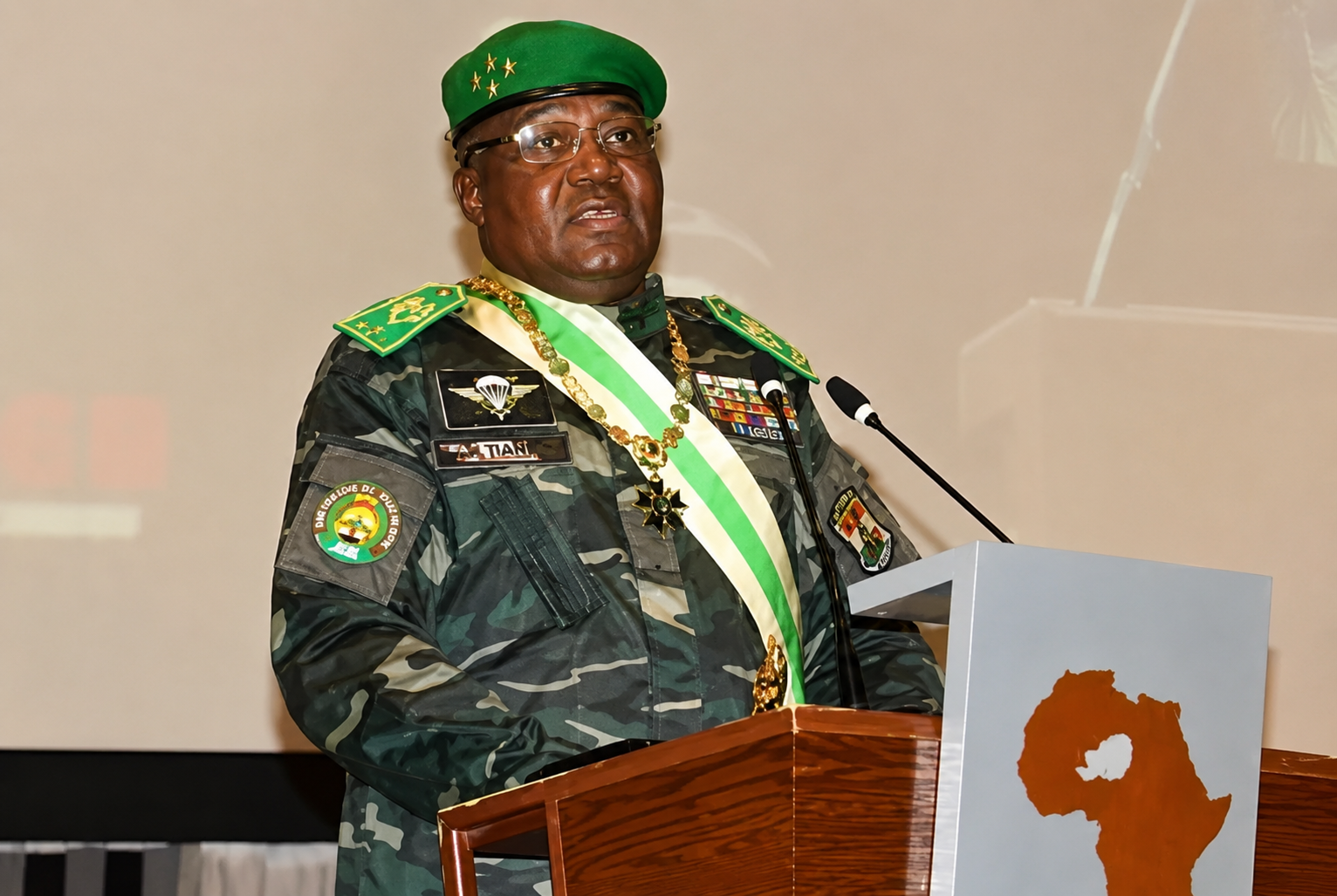
From hope to hardship: Niger’s leadership under scrutiny after three years
Three years have passed since military officers seized power in Niger, a move initially framed as a historic turning point to reclaim national sovereignty and restore stability. The July 2023 coup was meant to end instability, revive the economy, and unite the country. Yet today, those promises remain largely unfulfilled, and ordinary Nigeriens continue to grapple with worsening living conditions under the junta’s rule.
The government still emphasizes its break from Western partners and claims to have restored sovereignty. But across Niger, many citizens face deepening economic hardship, diplomatic isolation, and regional tensions, all of which are compounding the country’s already complex challenges.
An economy in distress: sanctions, shortages, and shrinking opportunities
The economic fallout from the political transition has been severe and widespread. Trade disruptions with neighboring countries, supply chain breakdowns, and the lingering impact of early sanctions have stifled commerce and investment. Factories have scaled back operations, some have closed permanently, and job opportunities have dwindled across both urban and rural areas.
Inflation has pushed the cost of essential goods—food, fuel, and household staples—to record highs, eroding purchasing power for millions. Local governments, small businesses, and farmers struggle to secure financing amid tighter credit conditions and a climate of deep uncertainty, leaving little room for economic recovery or growth.
Civic space shrinking: dissent met with repression
Human rights groups warn that civil liberties are steadily eroding under the current regime. Public criticism of authorities is met with legal threats, intimidation, and even arrests, curbing open debate and stifling dissent. Independent media outlets operate under heightened surveillance, with journalists reporting harassment and restricted access to information.
Public gatherings, especially those of a political nature, face heavy restrictions, limiting the ability of opposition groups and civil society to voice concerns. As a result, many citizens choose silence for safety, while others opt for exile to escape the oppressive environment.
Security remains elusive despite military reforms
When the junta assumed control, defeating armed groups was cited as a top priority. Yet, despite restructuring the military and forging new security alliances, violent attacks continue to ravage several regions. Border communities bear the brunt, facing recurring threats, forced displacement, and disrupted access to basic services like healthcare and education.
Entire villages remain trapped in a cycle of fear, with agriculture, local trade, and daily life constantly disrupted. The persistence of these attacks raises serious questions about the effectiveness of the new security strategy and its ability to protect civilians.
Official rhetoric falls flat amid unmet expectations
The junta’s recent national address by General Abdourahamane Tiani highlighted the government’s struggle to deliver tangible results. Instead of unveiling concrete measures to improve security or the economy, the focus remained on external threats and blaming foreign actors.
Analysts suggest this approach reflects the regime’s difficulty in demonstrating real progress on the core issues that led to the coup. As frustrations grow, more people are redirecting their attention from assigning blame abroad to demanding action at home.
A political system locked in place
The prolonged military governance has led to a progressive tightening of political life. Without a clear roadmap for returning to civilian rule, uncertainty looms over Niger’s institutional future. Political parties operate under severe constraints, and public discourse remains tightly controlled.Critics warn that the concentration of power in military hands risks sidelining democratic oversight and citizen participation for the foreseeable future, deepening concerns about long-term governance and accountability.
Three years later: a nation still waiting for change
As the third anniversary of the coup approaches, the gap between official promises and daily reality has never been wider. The economy remains fragile, living costs continue to rise, civil freedoms are increasingly restricted, and insecurity persists in many areas.
For countless Nigeriens, the priority is no longer political debates but securing a stable life, reliable safety, and economic opportunities. Calls for accountability, meaningful dialogue, and practical solutions to address public concerns are growing louder with each passing day.