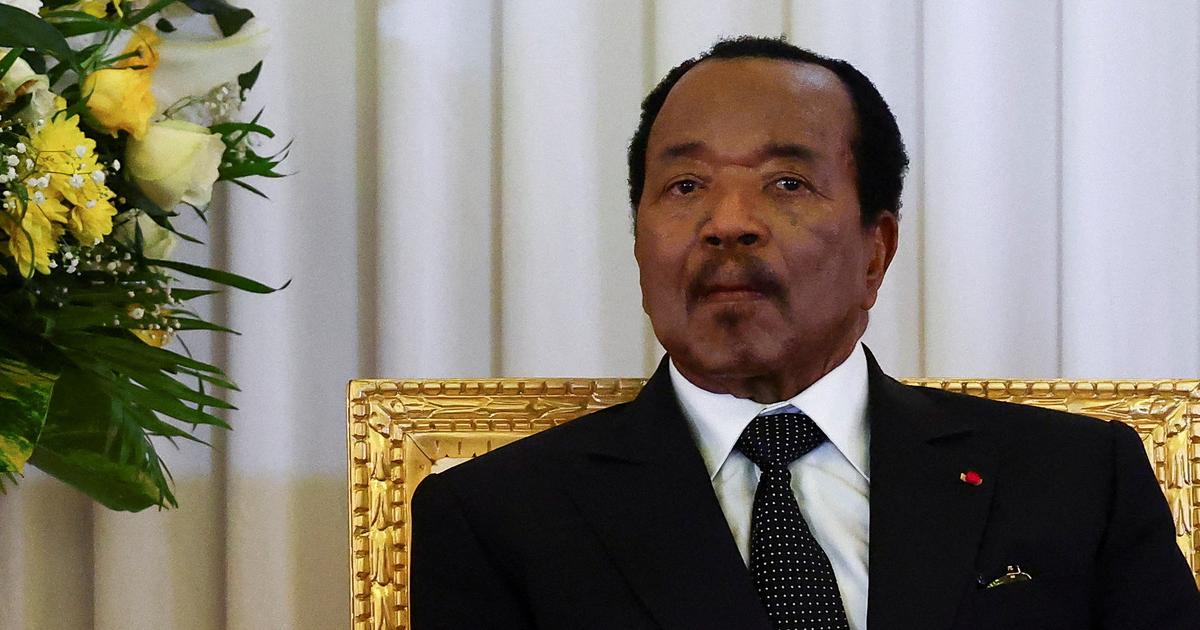
Where has Cameroon’s President Paul Biya disappeared to? This question lingers as civil society groups and opposition parties question not only his whereabouts but also his ability to govern. At 93 years old, Biya remains the world’s oldest serving head of state, re-elected in 2025 under disputed conditions. Yet, for over two months, he has been absent from the country, fueling speculation about his health and leadership.
Since June 7, the Cameroonian president has been operating from Geneva, Switzerland, reportedly on what authorities describe as a “brief private stay.” This prolonged absence marks an unprecedented departure from his decades-long pattern of governance. Never before in his 44-year rule has Biya spent more than 50 consecutive days abroad on private grounds. Critics argue that such extended absences highlight deeper systemic issues within the country’s leadership structure.
The presidency continues to function in his absence, with official decrees and administrative acts still bearing Biya’s signature. On August 3, a series of presidential decrees issued from Geneva reshuffled the military leadership, appointing key personnel to critical positions. While the government presents these actions as routine administrative procedures, they raise significant questions about who truly holds decision-making power in Cameroon today.
Analysts and observers point to a growing disconnect between the aging president’s prolonged stays abroad and the daily realities of governance in Cameroon. The lack of transparency surrounding his health and the absence of a clear succession plan have intensified debates about the country’s political stability. As the nation grapples with internal and external challenges, the prolonged absence of its leader underscores urgent concerns about governance and accountability.