In a sudden and dramatic raid on Markounda, Central African security forces have been thrust into the spotlight after Russian mercenaries allegedly abducted local leader Didot Ali and several of his deputies, transporting them to Bossangoa under unclear circumstances.
The operation, which unfolded without warning, raises serious questions about the growing influence of foreign armed groups in the region’s fragile security landscape. Eyewitness accounts describe a swift, coordinated move by unidentified armed men—widely believed to be linked to Russian paramilitary units—who stormed the area before forcibly taking the officials into custody.
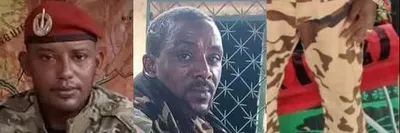
Among those reportedly seized alongside Didot Ali was his Lebanese deputy, along with a key military coordinator. The exact reasons behind the abduction remain unconfirmed, though speculation suggests it may be tied to escalating tensions between local factions and external security actors operating in the area.
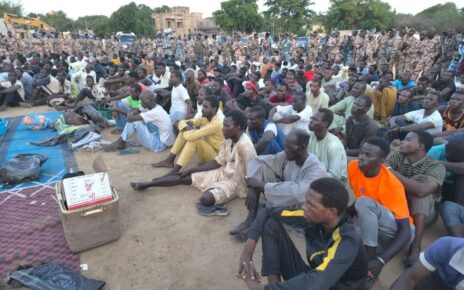
Local sources in Bossangoa report that the detainees were transferred to an undisclosed location, fueling concerns about their safety and the potential for further destabilization. The incident has sent shockwaves through the community, with residents and political observers alike demanding clarity on the motives and legal justification for the operation.
reactions and implications
The abduction has sparked immediate backlash from civil society groups and political figures who condemn the use of force against elected officials. Critics argue that such actions undermine the already fragile state institutions and risk exacerbating conflicts in a region struggling with chronic instability.
Meanwhile, security analysts warn that the incident could signal a dangerous shift in the power dynamics between local militias, foreign mercenaries, and government forces. The presence of Russian-linked operatives in Central Africa has been a contentious issue, with many questioning their role in propping up or destabilizing regimes across the continent.
what happens next?
As the situation develops, all eyes are on Bossangoa, where authorities have yet to issue an official statement regarding the detainees’ status or the circumstances of their capture. The lack of transparency has only deepened public unease, with calls for accountability growing louder.
For now, the fate of Didot Ali and his team remains uncertain, leaving many to wonder whether this marks the beginning of a broader crackdown—or a troubling escalation in the proxy struggles playing out on Central African soil.