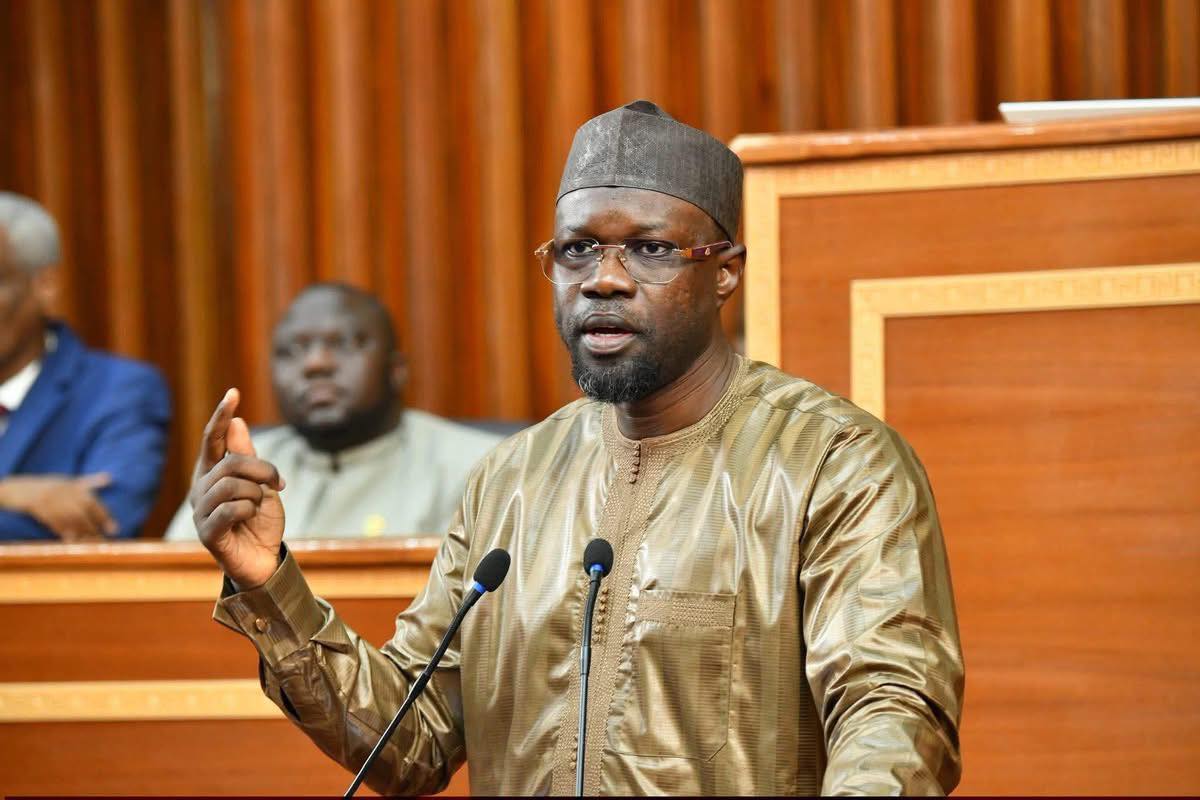
Following a series of calculated political maneuvers, Ousmane Sonko has ascended to the presidency of Senegal’s National Assembly, immediately raising questions about his long-term ambitions and the potential for institutional gridlock. His rapid return to the political forefront—amidst a reshuffling of key legislative roles—has left analysts scrutinizing the motives behind this strategic shift.
The sequence of events unfolded with remarkable precision. Just days after his removal from a prior government position, the sitting Assembly President resigned unexpectedly. Within a matter of hours, Ousmane Sonko, once a prominent opposition figure, was installed as the new presiding officer of the legislative body. Critics argue that this transition was neither coincidental nor organic, but rather a deliberate consolidation of influence.
Under his leadership, the National Assembly now wields unprecedented leverage over the executive branch. By controlling legislative agendas, budgetary allocations, and the passage of laws, the Assembly holds the power to obstruct or advance the government’s agenda—raising concerns about a potential power struggle at the highest levels of the state.
Institutional confrontation or political strategy?
The consolidation of legislative authority under Ousmane Sonko’s leadership has intensified debates over his motivations. While supporters view his rise as a legitimate assertion of democratic representation, opponents accuse him of prioritizing personal ambition over national interests. Some political observers describe his actions as a calculated bid to weaken the presidency, framing the situation as a deliberate strategy to erode executive authority.
As the dust settles, one question remains unanswered: Will this shift in power dynamics serve the public good, or does it mark the beginning of a prolonged institutional confrontation? With political forces realigning, the outcome of this power struggle could redefine Senegal’s governance landscape for years to come.