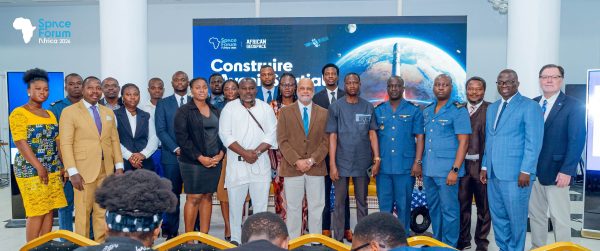
From July 28 to 30, Lomé became the epicenter of a groundbreaking conversation about Africa’s future. At the Space Forum Africa 2026, policymakers, scientists, investors, and entrepreneurs gathered to redefine the role of space technologies—no longer just tools for observation, but catalysts for agricultural productivity, climate resilience, disaster preparedness, and market expansion across the continent.
For decades, Africa’s space ambitions were framed in distant terms: launching satellites, funding scientific programs, or training expertise. Yet this year’s forum shifted the narrative entirely. The focus wasn’t on whether Africa could reach space, but on what space could do for Africa today—and tomorrow.
The U.S. Embassy in Lomé played a pivotal role in shaping this dialogue, bringing together stakeholders from across the space sector to explore how orbital data could address real-world challenges on the ground.
From orbit to farmland: leveraging space data for ground-level impact
The most compelling takeaway from the discussions? Space is no longer confined to the realm of science or prestige. Satellite data now supports critical sectors such as agriculture, climate monitoring, communications, and disaster prevention. The true breakthrough lies not in the technology itself, but in its practical applications.
For African economies grappling with climate change, limited access to timely data, and pressing needs for improved forecasting, space-based solutions offer a powerful tool for decision-making. This shift also presents an unprecedented opportunity for homegrown tech startups. As spatial data becomes more accessible, local innovators can develop high-value solutions tailored to Africa’s unique challenges.
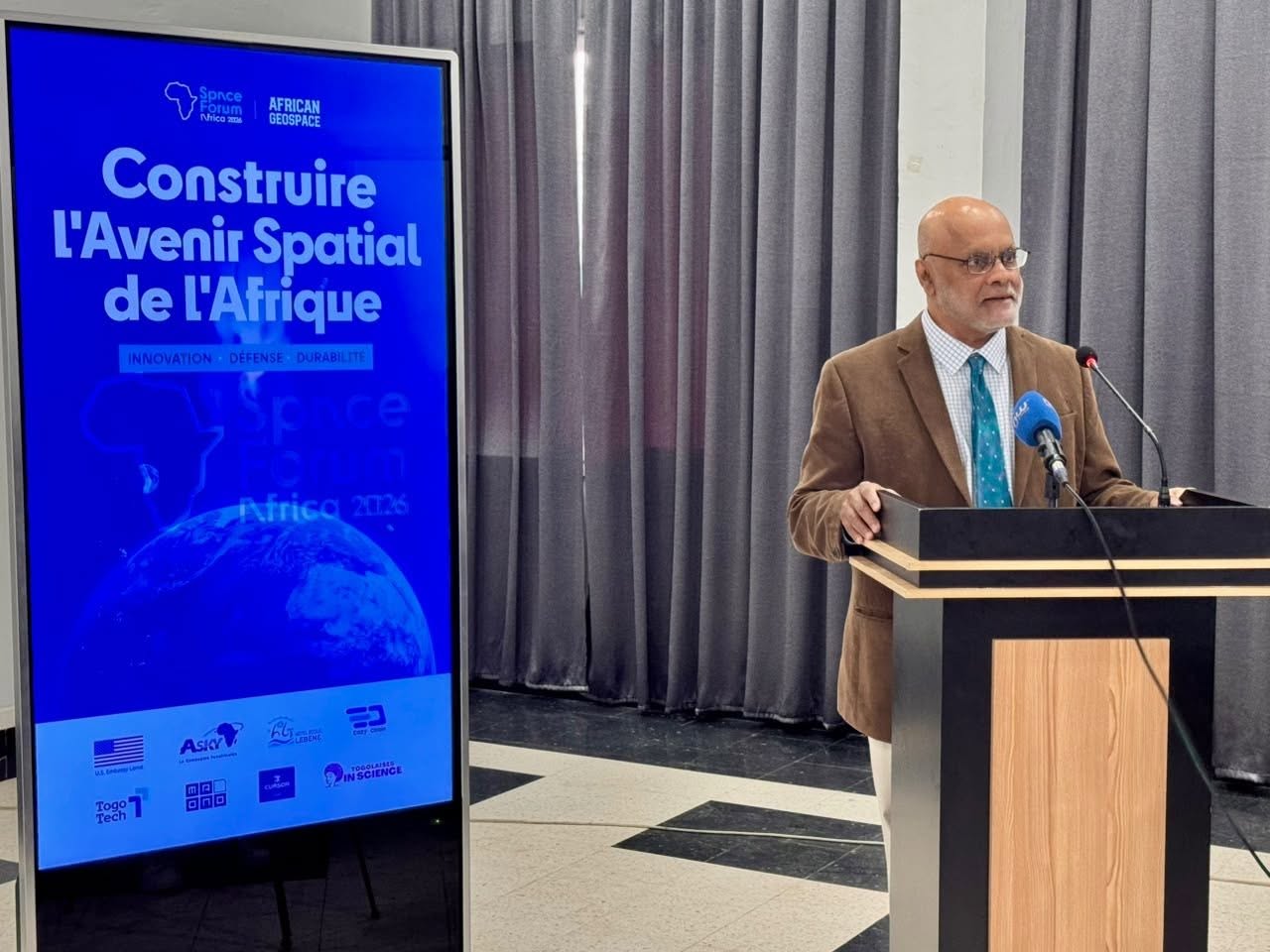
Jim Adams and NASA’s legacy: bridging space innovation with African needs
To ground these discussions in tangible expertise, the U.S. Embassy invited Jim Adams, a NASA veteran with over four decades of experience in space exploration and satellite technologies. His presence underscored how space science can directly address pressing continental needs—from optimizing crop yields to strengthening climate resilience, enhancing communications, and improving disaster response.
Yet beyond the technical applications, a critical question emerged: who will build Africa’s future space technologies, and who will own the resulting economic value? The forum highlighted that the continent’s space economy must evolve from passive data users to active creators of solutions.
Trade, diplomacy, and innovation: forging US-Africa space partnerships
The growth of Africa’s space economy hinges not only on infrastructure or scientific talent, but on fostering connections between innovators, governments, and international partners. The forum served as a bridge, facilitating exchanges between African startups, institutions, and American companies specializing in space technologies.
This collaboration transcends mere scientific cooperation—it’s about trade, investment, knowledge transfer, and market creation. For African entrepreneurs, the challenge is to move beyond importing technology and instead develop homegrown solutions. For international partners, the opportunity lies in discovering new talent, unmet needs, and untapped markets across the continent.
Space as Africa’s invisible infrastructure for resilience and growth
Perhaps the most transformative insight from Lomé is the redefinition of space’s role in Africa. A satellite image can guide a farmer in selecting the right planting time. Climate data can predict droughts before they devastate harvests. Communication satellites can connect remote communities to essential services. Orbital monitoring can prepare disaster response teams in advance.
In this light, space is no longer an abstract frontier—it’s an invisible infrastructure with measurable impacts on the ground. The Space Forum Africa 2026 reaffirmed this vision: moving from awe-inspiring science to practical, life-changing applications.
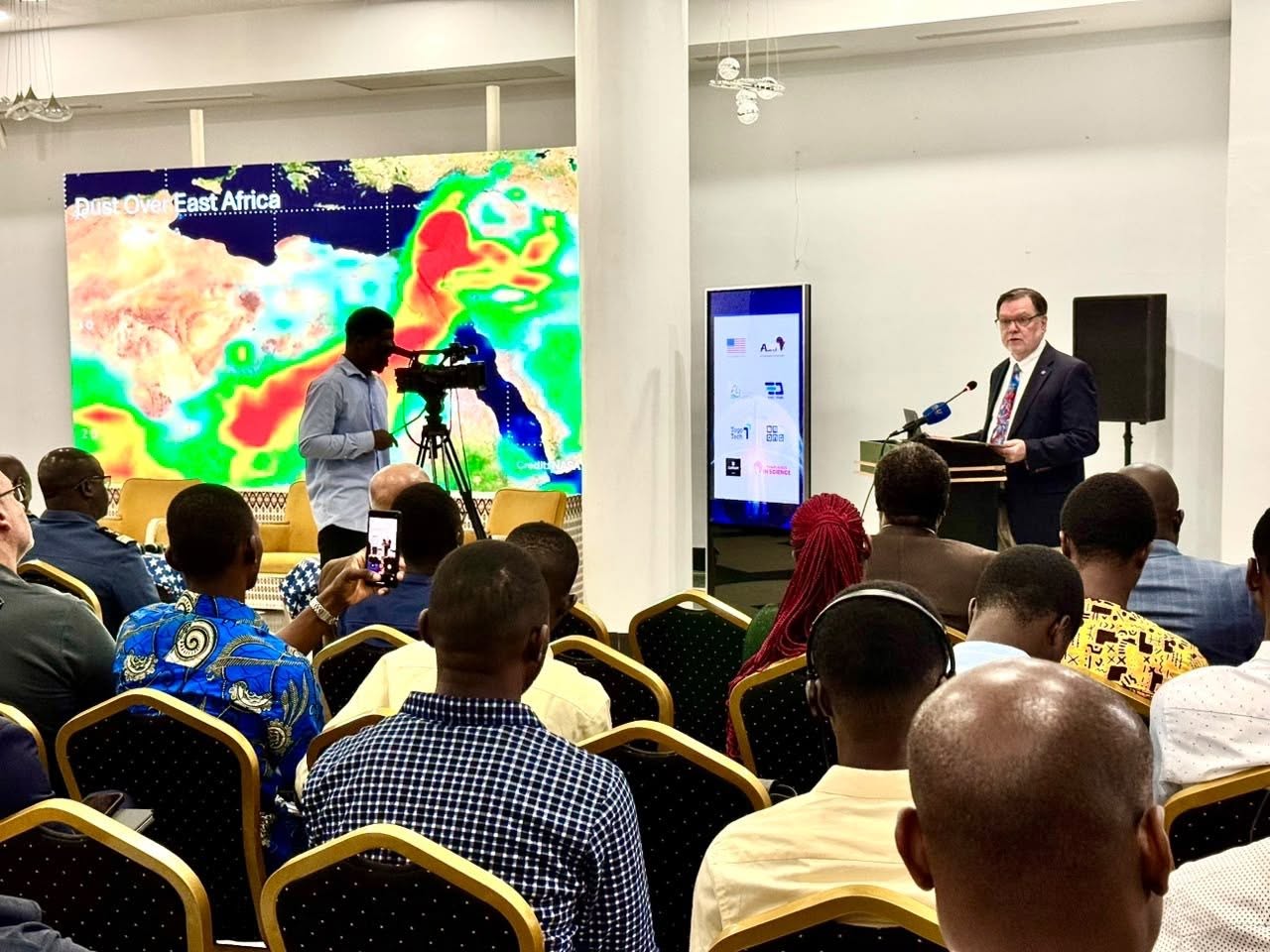
Washington and Lomé: expanding the circle of peaceful space innovation
The U.S. Embassy’s support for the forum aligns with a broader commitment to peaceful, responsible space exploration—one that celebrates innovation while fostering collaboration. As the United States marks 250 years of discovery, this partnership signals a shared vision: the next chapter of Africa’s space journey won’t be defined by rockets alone, but by turning data into solutions, research into enterprises, and cooperation into sustainable markets.
In Lomé, the focus was clear: the sky is no longer just a frontier to admire. It’s a platform for development.