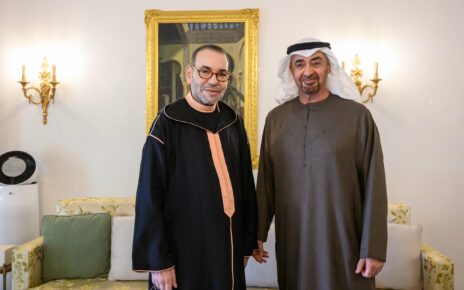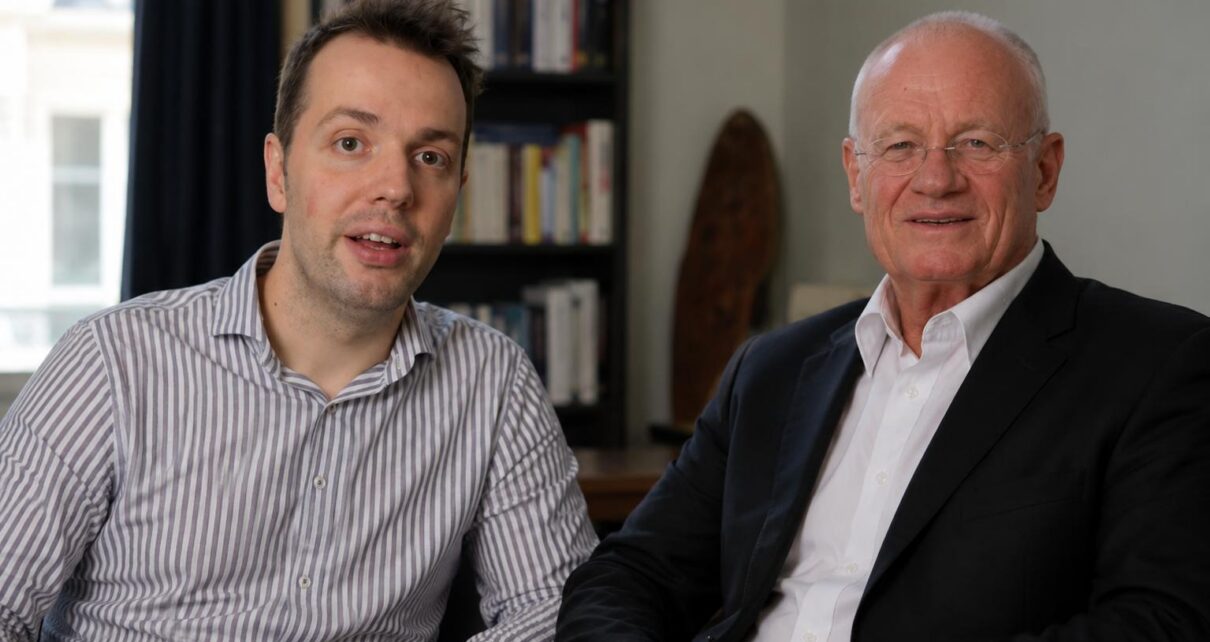
The scandal surrounding mass surveillance in Togo has just reached a dramatic new stage in the unfolding political and media saga. Recent disclosures by journalist Thomas Dietrich have cast a harsh light on a shadowy alliance: President Faure Gnassingbé allegedly collaborates with the influential Yatom family, whose patriarch, Dany Yatom, once led Israel’s premier intelligence agency before establishing a private espionage firm.
While these revelations expose the dangerous ties between Lomé’s regime and foreign intelligence operatives, they also raise critical questions about journalistic integrity. This confrontation lays bare a troubling dual crisis: the erosion of national sovereignty through the outsourcing of state security to private foreign entities, and the collapse of responsible journalism under the weight of sensationalism and instant gratification.
Faure Gnassingbé’s shadowy security pact with the Yatom clan
The accusations leveled against Togo’s government are no longer speculative—they describe a tangible system of repression. According to these reports, President Gnassingbé has entrusted segments of the country’s security apparatus, including its surveillance infrastructure, to the Yatom family. This decision marks a dangerous escalation in the regime’s authoritarian tendencies, as it relies on former high-ranking Israeli intelligence officials to monitor public life in Togo.
Such a move is not driven by national security imperatives but rather by the desperation of a decades-old regime clinging to power. After the global uproar over the Pegasus spyware scandal, this alleged collusion with the Yatom network reveals that Lomé has institutionalized the surveillance of its own citizens. By surrendering the nation’s security apparatus to external private interests, the government has not only undermined Togo’s sovereignty but has also prioritized its own political survival over the rights and freedoms of its people.
Thomas Dietrich’s journalism of spectacle vs. the duty of evidence
Yet, as the stakes grow higher, so too does the burden of proof. Here, Thomas Dietrich’s approach has come under scrutiny. By publicly naming key figures within Israel’s intelligence community without simultaneously releasing verifiable evidence—such as contracts, financial records, or leaked organizational documents—the journalist risks diluting the impact of his revelations.
Known for his confrontational style and a penchant for dramatic self-staging, Dietrich often blurs the line between advocacy and rigorous investigation. This method, while attention-grabbing, plays directly into the hands of the Lomé regime, which can easily dismiss the claims as part of a Western-orchestrated conspiracy. The consequence? The very journalists and activists on the ground—those risking their lives to document these abuses with meticulous care—are sidelined by the noise of a spectacle that prioritizes clicks over substance.
A toxic symbiosis: power and spectacle feed each other
The standoff between Lomé’s presidential palace and the expatriate journalist has become a self-sustaining cycle. President Gnassingbé leverages attacks from foreign reporters to rally nationalist sentiment, using accusations of destabilization as justification for tightening security measures and silencing dissent. Meanwhile, Dietrich finds in the figure of the hyper-connected autocrat the perfect antagonist to fuel his narrative and bolster his image as a crusader for truth.
Beneath the glare of social media’s spotlight, the real victims remain invisible: the people of Togo. Watched over by foreign surveillance technologies and deprived of meaningful democratic discourse, citizens are trapped in the suffocating reality of a police state. The fight for transparency and liberty in Togo cannot thrive on the secrets of a paranoid regime or the theatrics of emotion-driven journalism. It demands cold, irrefutable facts, unwavering commitment to truth, and a dignity that both sides seem quick to overlook.