When the promise of protection fails the youngest
On June 16, Africa observed the Day of the African Child—a moment dedicated to advancing universal access to water, sanitation, and hygiene. In Togo, such commemorations typically feature lofty speeches from officials vowing a brighter future. Yet beneath the veneer of official rhetoric lies a stark reality: the government in Lomé has repeatedly met dissent with violence, often targeting the most vulnerable. The fate of Togo’s children remains precarious, their lives exchanged for political survival.
A tradition of repression disguised as governance
The Day of the African Child was established to honor the 1976 Soweto uprising, where students demanded quality education and rejected linguistic oppression. While many nations have since worked to uphold these rights, Togo appears to have weaponized the suppression of its youth as a pillar of its political strategy. The nation’s hospitals, overwhelmed and under-resourced, force mothers to deliver on bare floors. Neonatal wards resemble makeshift cradles where survival is a gamble against systemic neglect.
International commitments to child welfare ring hollow in Togo. Peaceful protests are met with live ammunition, while even those merely seeking sustenance become casualties. The government’s refusal to acknowledge accountability has turned tragedy into a recurring theme, with investigations launched and then abandoned.
Jacques Koutoglo: a death shrouded in denial
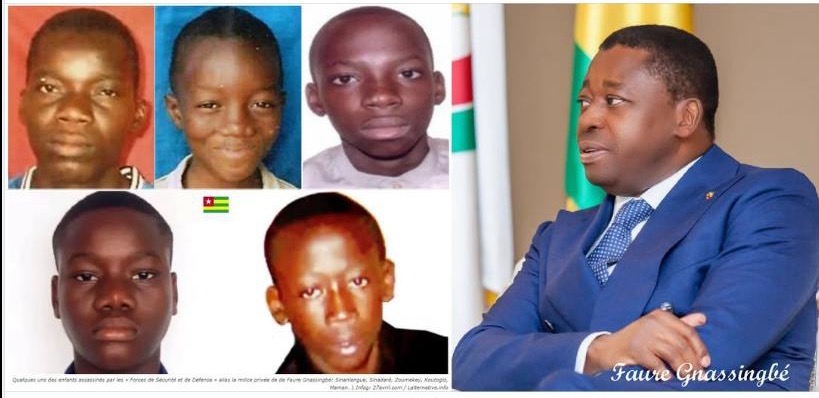
For over a year, the Koutoglo family has begged for justice. Jacques, a 15-year-old student, was beaten and thrown into the Bè lagoon in June 2025 during early unrest. He was not protesting—he was foraging for food. Pacôme Adjourouvi, then Minister of Human Rights, initially claimed Jacques drowned amid chaos before backtracking and promising an inquiry. The results? Still undisclosed. The government’s denial of a memorial mass for the boy deepens the family’s anguish and the nation’s sense of injustice.
Joseph Zoumekey and Rachad Maman: silence as the only verdict
In 2017, Joseph Zoumekey, 13, was gunned down while buying groceries in Bè-Kpota. Officials initially dismissed the incident, but an independent autopsy by Amnesty International confirmed a gunshot wound—contradicting the state’s narrative. Despite global calls for justice, the administration of Faure Gnassingbé has remained silent.
The same year, in Bafilo, 14-year-old Rachad Maman was killed alongside his father during a protest for democratic reforms. A global petition demanding accountability garnered thousands of signatures, yet no action has been taken. The world watched; Lomé turned away.
Anselme Sinandaré and Douti Sinalengue: a decade of unanswered cries
In 2012, in Dapaong, Anselme Sinandaré (12) and Douti Sinalengue (21) were shot dead during a peaceful student demonstration demanding teacher attendance. Over a decade later, no official process has identified the shooters among security forces.
From the north to the coast, the pattern is unmistakable: children’s lives are expendable in the name of regime preservation. Families mourn futures lost, their children—tomorrow’s leaders—silenced with impunity. This cycle of repression spans generations, rooted in the Gnassingbé family’s grip on power.
Togo ratified the African Charter on the Rights and Welfare of the Child on May 5, 1998. By shelving these investigations and shielding perpetrators, Lomé signals a stark message: treaty obligations end where political survival begins.