U.S. formally endorses Morocco’s Western Sahara sovereignty stance
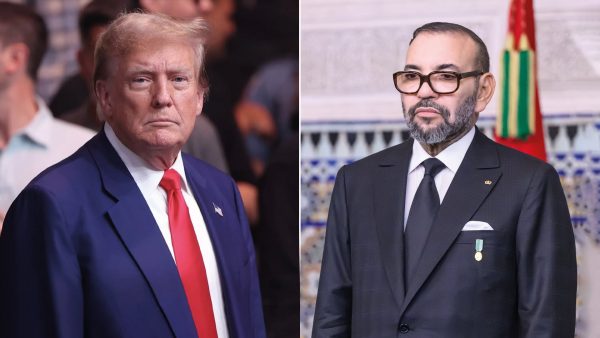
In a landmark message to King Mohammed VI on the occasion of Morocco’s Throne Day, the President of the United States reaffirmed Washington’s unwavering support for Rabat’s position on the Western Sahara region. The statement explicitly recognized Morocco’s full sovereignty over the territory and endorsed the Moroccan autonomy initiative as the only viable path toward a lasting resolution.
The U.S. leader conveyed warm congratulations to the Moroccan monarch and people, marking a significant milestone: “This year, we mark 250 years of shared history and enduring friendship between our nations—a bond built on mutual trust and deep respect.”
Washington pushes for resolution amid regional tensions
The American president emphasized the urgency of resolving the decades-old conflict, stressing that “any alternative perpetuates an unacceptable status quo.” He underscored Morocco’s pivotal role in fostering regional stability, highlighting the kingdom’s commitment to combating extremism and safeguarding security—both within its borders and across the Sahel. The message also referenced Morocco’s contributions to the Abraham Accords as a testament to its strategic importance to U.S. interests.
Economic and technological partnership takes center stage
Beyond geopolitical alignment, the U.S. president highlighted the deepening economic collaboration between the two nations. He praised Morocco’s forward-looking Vision for Growth, calling it a catalyst for prosperity in both countries. “My administration is actively pursuing initiatives to bolster economic and social development in Morocco, including within the Western Sahara territory,” the president stated.
Looking ahead, he outlined a vision of long-term cooperation centered on American innovation and expertise, pledging continued support in critical sectors such as energy, artificial intelligence, defense, and the development of critical minerals. “Together, we will forge a new era—one that prioritizes the interests of our peoples for generations to come,” he concluded.