Cameroon extends census period for second consecutive time
The Prime Minister’s office has announced an additional extension to the national census period, marking the second consecutive extension since the operation began in April. This decision comes as authorities seek to address significant gaps in household coverage, particularly in major urban centers like Yaoundé and Douala.
The Prime Minister, Joseph Dion Ngute, issued a directive mandating a supplementary phase of coordinated enumeration. The goal is to reach households, individuals, and agricultural operations that may have been overlooked during previous phases, ensuring more comprehensive data collection.
Coverage gaps spark concerns
The National Census Commission has reported that only 60.4% of the population has been successfully enumerated so far. Challenges cited include delayed payments to field agents, which have led to operational disruptions, as well as low participation rates in certain communities. Language barriers and security concerns in high-risk zones have further complicated efforts to achieve full coverage.
Operational hurdles and community feedback
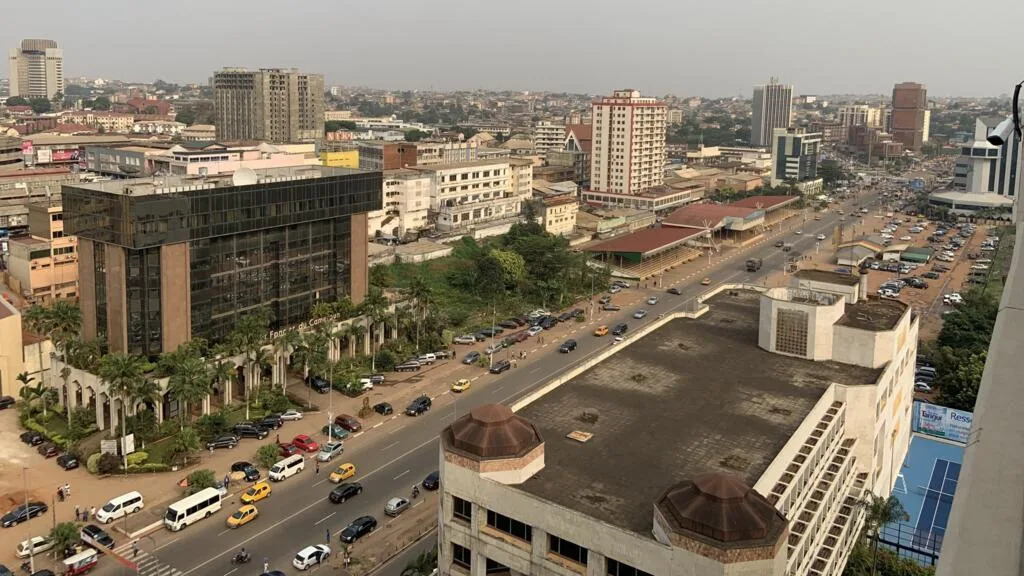
Residents in newly developed urban areas, particularly in Yaoundé and Douala, have raised concerns about census agents failing to reach their neighborhoods. This has been attributed to outdated mapping systems that do not reflect recent urban expansion.
The census, which also includes data collection on housing and agriculture, is the country’s fourth general population survey. Authorities are emphasizing the importance of accurate and complete data for national planning and resource allocation.
Addressing systemic challenges
Efforts are underway to improve agent deployment and payment schedules to mitigate delays. Additionally, community engagement initiatives are being expanded to boost participation, especially in areas where trust in the process remains low.
The extended census period reflects the government’s commitment to achieving a thorough and reliable data set, despite the operational complexities involved.